Bell's Palsy Specialist in ScottsdaleServing Greater Phoenix
Evaluation and treatment for acute Bell's palsy, incomplete recovery, synkinesis, and persistent facial weakness.
Clinical Presentation of Bell's Palsy
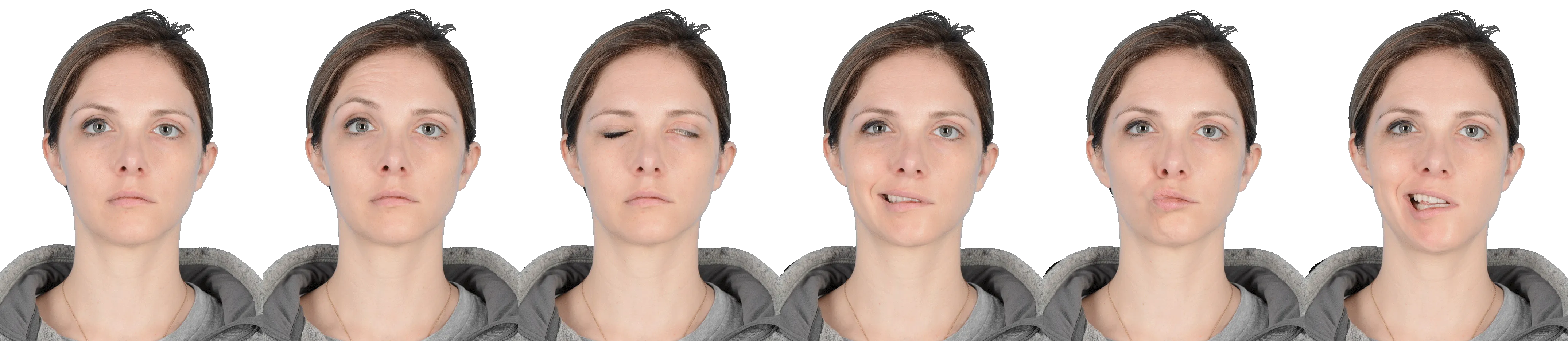
What is Bell's Palsy?
Bell's palsy is the most common cause of sudden facial paralysis. Weakness appears on one side of the face and reaches its peak within seventy-two hours. The exact trigger is often unknown, though it is strongly linked to viral inflammation of the facial nerve.
Most people begin to recover within a few weeks. Those with severe nerve injury—or with incomplete recovery months later—may need specialized care to protect the eye, improve control, and evaluate reconstructive options. Some patients who appear to have Bell’s palsy have another cause of facial weakness, which is why the history and examination matter.
72 hrs
The window for steroids
Most
Begin recovery within weeks
3 mo
When to see a specialist
Bell's Palsy Signs and Symptoms
- Rapid onset of mild weakness to total paralysis on one side of the face
- Inability to close the eye, causing dryness or tearing
- Drooping of the mouth and difficulty smiling
- Loss or change in taste
- Pain around the jaw, in the ear, or behind the ear
- Increased sensitivity to loud noises (hyperacusis)
When to Seek Care
Sudden facial paralysis can mimic a stroke. If you experience facial drooping along with confusion, dizziness, or weakness in your arms or legs, call 911 immediately.
If stroke is ruled out, early medical treatment for Bell's palsy (within 72 hours) improves the chances of a good recovery.
Video Examination Guide
Diagnostic Red Flags: Is It Really Bell's Palsy?
There is no single specific diagnostic test for Bell's palsy. Instead, it is a diagnosis based on your medical history and a physical examination. If your condition does not follow the typical pattern, it may indicate a different underlying cause that warrants further investigation, such as MRI or CT imaging, blood tests, or tissue biopsy.
Signs That Suggest an Alternative Diagnosis:
- Slow Progression: Facial weakness that starts slowly and gradually worsens over weeks or months (Bell's palsy onset is sudden, with weakness that fully evolves within 2-3 days).
- Uneven Weakness: Paralysis that is uneven across different zones of the face at onset, for example an absent blink with a normal smile.
- No Improvement: Lack of any improvement in facial muscle tone within 3-4 months.
- Systemic Symptoms: Presence of fever, chills, night sweats, muscle aches, severe headache, unexplained weight loss, or fatigue.
- Additional Neurological Signs: Hearing loss, imbalance, double vision, impaired swallowing, weakness, numbness, or coordination issues in other parts of the body.
- Abnormal Exam Findings: Unusual findings (such as lumps or bumps in the cheek or neck), body rash, or blisters near the ear canal.
- Forehead Sparing: The forehead still moves on the weak side. That pattern suggests a central cause such as stroke, not Bell's palsy.
- Both Sides Weak: Weakness on both sides of the face, at once or in sequence, is not typical Bell's palsy. Lyme disease is a leading concern.
Bell's Palsy Treatment Options
Acute Phase (0-3 Months)
Focus: Reducing inflammation and protecting the eye.
- • Corticosteroids: High-dose steroids started within 72 hours.
- • Antivirals: May be considered alongside steroids in selected patients; antiviral monotherapy is not recommended.
- • Eye Care: Lubrication, night taping, and moisture chambers to protect the cornea.
Chronic / Incomplete Recovery
Focus: Restoring symmetry, movement, and smile.
- • Synkinesis Management: Targeted Botox and physical therapy.
- • Selective Neurectomy: Rebalancing nerve signals.
- • Nerve Transfers: Rewiring healthy nerves to restore tone.
- • Muscle Transfers: Gracilis free flap for smile restoration.
Conditions Related to Bell's Palsy
Not every sudden droop is Bell's palsy. Dr. Jowett's FACE DROPS research was built to tell the look-alikes apart.
Lyme Disease
Fever, fatigue, or a tick-endemic stay. Needs antibiotics — steroids alone can worsen recovery.
Ramsay Hunt Syndrome
Painful blisters in or around the ear, hearing loss, or vertigo. The rash can arrive after the droop.
Synkinesis
Linked movements and tightness that appear as the nerve heals, usually months later.
What the Evidence Shows
National guidelines treat Bell's palsy as a diagnosis of exclusion. The page stays patient-focused; the studies that support this plan sit in the references below.
- Oral steroids started within 72 hours improve the chance of a full recovery. Antivirals alone do not help.
- Routine MRI and blood tests are not needed when the story is typical: sudden one-sided weakness that peaked within 72 hours.
- Eye protection is required whenever the lids cannot close. Daytime lubrication and nighttime ointment or taping protect the cornea.
- See a facial-nerve specialist for a threatened eye, new neurologic findings, complete stillness from the start, or incomplete recovery at three months.
- About one in four acute facial palsies has another cause. Slow onset, forehead sparing, both sides weak, vesicles, or a tick-endemic stay are not Bell's palsy.
- Movement usually begins to return within a few weeks and can keep improving over roughly three to six months. Complete stillness at onset and older age make lasting effects more likely.
- Children generally recover well, and randomized trial evidence has not shown the clear steroid benefit seen in adults. Treatment for a child should be individualized with the treating clinician.
- Facial neuromuscular retraining may improve symmetry and reduce synkinesis in both recent and long-standing palsy, though the quality of the supporting studies varies.
- Facial nerve decompression surgery is not routine care for Bell's palsy, and evidence is insufficient to recommend electrical stimulation or acupuncture during the acute phase.
- Lasting effects are often best managed by a team that spans facial nerve surgery, neurology, eye care, and facial therapy rather than by any single treatment.
Why Choose Revitalis for Bell's Palsy?
Dr. Nate Jowett is a facial plastic and reconstructive surgeon with fellowship training in Germany and at Harvard Medical School, plus an engineering and microsurgical background focused on facial nerve disorders.
Revitalis evaluates patients early in the course of facial weakness as well as those living with incomplete recovery, synkinesis, eye symptoms, or persistent smile dysfunction. The plan may involve medical coordination, rehabilitation, injections, or reconstruction depending on the diagnosis and timing.
Common questions
Bell's palsy FAQs
How is Bell's palsy different from a stroke?
Bell's palsy usually weakens the forehead, eye closure, and lower face on one side. Stroke can spare the forehead and may cause arm or leg weakness, speech difficulty, imbalance, or other neurologic symptoms. Any sudden weakness needs urgent medical assessment rather than self-diagnosis.
Do antivirals cure Bell's palsy?
Antivirals alone have not shown the benefit of corticosteroids. A clinician may offer an antiviral together with steroids in selected cases after discussing the modest or uncertain additional benefit.
What if my smile remains tight or my eye closes when I eat?
Those linked movements are typical of post-paralysis synkinesis. Facial neuromuscular retraining and carefully mapped botulinum toxin are common first-line treatments; surgery is reserved for selected persistent cases.
Do I need an MRI or blood tests on day one?
Not if the story is typical: sudden one-sided weakness that peaked within 72 hours, and no red flags. Imaging or Lyme testing is for an unusual course, endemic exposure, or failure to improve.
Should I take an antiviral without a steroid?
No. Antivirals alone do not help Bell's palsy. The first step is a short course of oral steroids within 72 hours. Antiviral therapy is often combined with corticosteroid therapy, especially if paralysis is complete or shingles is suspected.
How do I know if this is Lyme disease instead?
Fever, joint pain, fatigue, headache, neck stiffness, or weakness on both sides of the face raise concern. See Lyme disease-associated paralysis and Dr. Jowett's FACE DROPS paper.
When should I see a facial nerve specialist?
Immediately for new neurologic findings or a threatened eye. At three months if recovery is incomplete. Sooner if the face was completely still from the start.
Does my child need steroids for Bell's palsy?
Not necessarily. Children generally recover well from Bell's palsy, and randomized trial evidence has not shown the clear steroid benefit that adults get. The decision should be individualized with the treating clinician, while eye protection remains important at any age.
How long does recovery from Bell's palsy usually take?
Movement typically starts returning within a few weeks and can keep improving over roughly three to six months. Complete stillness at onset and older age make lasting effects more likely. If nothing has changed by about three months, a facial nerve evaluation is reasonable.
Is facial nerve decompression surgery used for Bell's palsy?
It is not routine care. National guidance does not recommend decompression as a standard treatment, and there is not enough evidence to recommend electrical stimulation or acupuncture during the acute phase either. Early steroids and eye protection remain the mainstays.
Answers are general and individualized at consultation.
Medical References & Evidence-Based Guidelines
- A General Approach to Facial Palsy. Jowett N. A General Approach to Facial Palsy. Otolaryngol Clin North Am. 2018 Dec; 51(6):1019-1031. PMID: 30119926.
- Contemporary Management of Bell Palsy. Jowett N, Hadlock TA. Facial Plast Surg. 2015 Apr; 31(2):93-102. PMID: 25958893.
- Clinical Practice Guideline: Bell's Palsy. Baugh RF, Basura GJ, Ishii LE, et al. Otolaryngol Head Neck Surg. 2013;149(3 Suppl):S1-S27. PMID: 24133746.
- Early Treatment with Prednisolone or Acyclovir in Bell's Palsy. Sullivan FM, Swan IR, Donnan PT, et al. N Engl J Med. 2007;357(16):1598-1607. PMID: 17942873.
- Evidence-Based Guideline Update: Steroids and Antivirals for Bell Palsy. Gronseth GS, Paduga R. Neurology. 2012;79(22):2209-2213. PMID: 23136264.
- Combined Corticosteroid and Antiviral Treatment for Bell Palsy: A Systematic Review and Meta-analysis. de Almeida JR, Al Khabori M, Guyatt GH, et al. JAMA. 2009;302(9):985-993. PMID: 19738075.
- The Diagnosis and Treatment of Idiopathic Facial Paresis (Bell's Palsy). Heckmann JG, Urban PP, Pitz S, Guntinas-Lichius O, Gágyor I. Dtsch Arztebl Int. 2019;116(41):692-702. PMID: 31709978.
- Bell Palsy: Rapid Evidence Review. Dalrymple SN, Row JH, Gazewood J. Am Fam Physician. 2023;107(4):415-420. PMID: 36996357.
- Differential Diagnosis of Peripheral Facial Nerve Palsy: A Retrospective Clinical, MRI and CSF-based Study. Zimmermann J, Jesse S, Kassubek J, Pinkhardt E, Ludolph AC. J Neurol. 2019;266(10):2488-2494. PMID: 31250103.
- FACE DROPS: A Clinical Risk Assessment Tool for Differentiation of Acute Lyme Disease-Associated Facial Palsy From Bell Palsy. McEntire CRS, Chung SY, Chang B, Barrera KJ, Zhao Y, Joseph JW, Wormser GP, Jowett N, Chwalisz BK. Neurol Clin Pract. 2025 Jun; 15(3):e200476. PMID: 40290705.
- Steroid Use in Lyme Disease-Associated Facial Palsy Is Associated with Worse Long-Term Outcomes. Jowett N, Gaudin RA, Banks CA, Hadlock TA. Laryngoscope. 2017 Jun; 127(6):1451-1458. PMID: 27598389.
- A Contemporary Approach to Facial Reanimation. Jowett N, Hadlock TA. JAMA Facial Plast Surg. 2015 Jul-Aug; 17(4):293-300. PMID: 26042960.
- An Evidence-Based Approach to Facial Reanimation. Jowett N, Hadlock TA. Facial Plast Surg Clin North Am. 2015 Aug; 23(3):313-34. PMID: 26208770.
- Facial Nerve Palsy: Clinical Practice and Cognitive Errors. George E, Richie MB, Glastonbury CM. Am J Med. 2020;133(9):1039-1044. PMID: 32445717.
- Approach to Facial Weakness. Wang Y, Cruz CD, Stern BJ. Semin Neurol. 2021;41(6):673-685. PMID: 34826871.
- Efficacy of Prednisolone for Bell Palsy in Children: A Randomized, Double-Blind, Placebo-Controlled, Multicenter Trial. Babl FE, Herd D, Borland ML, et al. Neurology. 2022;99(20):e2241-e2252. PMID: 36008143.
- Physical Therapy for Facial Nerve Paralysis (Bell's Palsy): An Updated and Extended Systematic Review of the Evidence for Facial Exercise Therapy. Khan AJ, Szczepura A, Palmer S, et al. Clin Rehabil. 2022;36(11):1424-1449. PMID: 35787015.
- Multidisciplinary Care of Patients with Facial Palsy: Treatment of 1220 Patients in a German Facial Nerve Center. Steinhäuser J, Volk GF, Thielker J, et al. J Clin Med. 2022;11(2). PMID: 35054119.